

Best Homemade Chili Seasoning Recipe (Quick & Easy Blend)
By Captain Cooking

Homemade Chili Seasoning lets you control what goes into the blend and how it tastes. Instead of relying on pre-mixed packets, you can build a seasoning with the spices you already keep on hand.
To understand one of the key ingredients, see this reference on chili powder. Then use the recipe card below for exact amounts and proportions.
Key Takeaways
Why Make Your Own Chili Seasoning at Home
Making chili seasoning at home gives you control over salt, heat, and overall balance. Many store blends vary widely in spice quality, and some include starches or flavor enhancers that can dull a pot of chili. With Homemade Chili Seasoning, you decide what belongs in the jar.
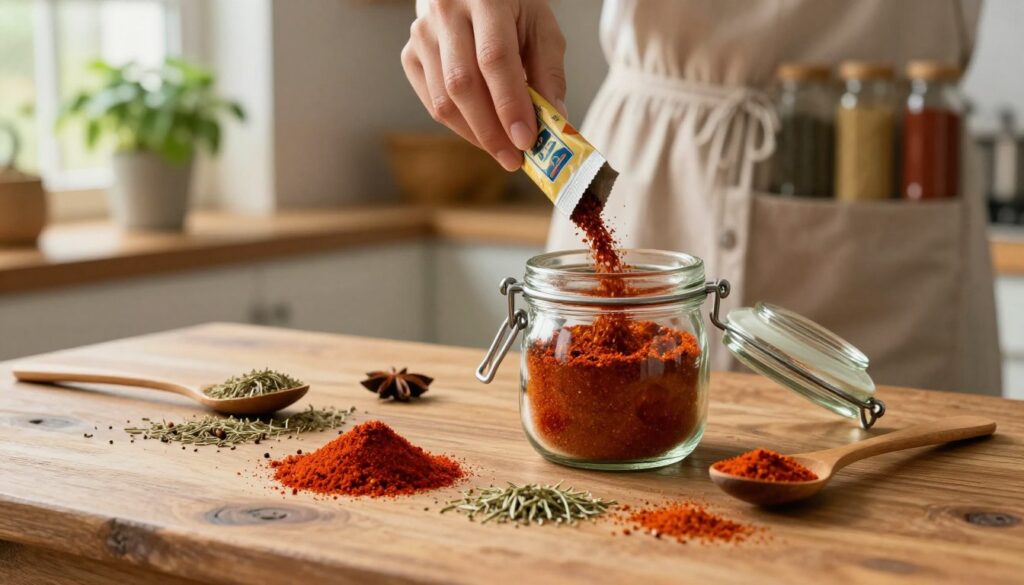
Save Money with Homemade Spice Blends
When you buy the spices once, you can refill the jar again and again. Homemade Chili Seasoning usually costs less per use than single-serve packets, especially if you shop in the bulk spice section. It also helps you avoid paying for extra salt and fillers instead of actual spices.
Another advantage is consistency. If you like how your chili tastes today, you can keep the same flavor profile next time by using the same blend. That repeatability is harder to get when packet formulas change or vary by brand.
Avoid Additives and Preservatives Found in Store-Bought Packets
Commercial blends can include anti-caking agents, added salt, or starches meant to thicken. Those extras are not always a problem, but they can change the way chili tastes and feels on the spoon. Homemade Chili Seasoning keeps the ingredient list clear and easy to adjust.
If you need a gluten-free option, making your own blend is a simple way to avoid wheat-based thickeners that appear in some packet mixes. Choose pure spices, keep your jar dry, and label it clearly to prevent mix-ups. This approach also works well if you want to reduce sodium.
“Once I started mixing my own Homemade Chili Seasoning, I stopped buying packets.” — Home cooking enthusiast
Customize Heat Levels and Flavor to Your Taste
You can fine-tune Homemade Chili Seasoning in small, smart adjustments. Add cayenne in tiny increments, and remember that the heat gets stronger after simmering, not immediately. For deeper flavor, smoked paprika adds warmth, while oregano adds a more herbal edge.
If your chili tastes flat, it often needs either more salt in the dish or more aroma from fresh spices. If it tastes bitter, reduce cumin slightly and avoid overdoing smoked spices. Keeping notes on your changes helps you land on a blend you can repeat.
Easy Homemade Chili Seasoning Blend with Pantry Spices
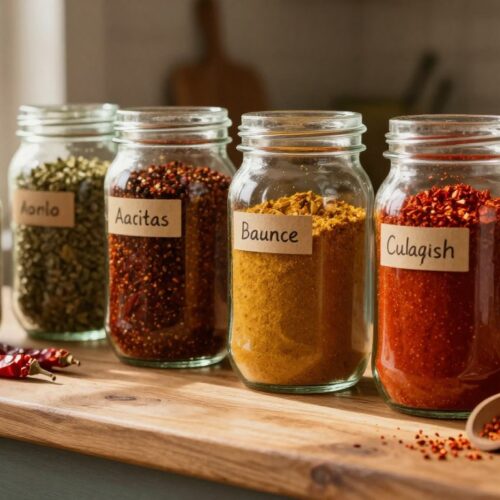
This Homemade Chili Seasoning is a dry mix you can stir together in a jar, shake, and use right away. For best results, use spices that still smell strong when you open the container, since older spices can taste dusty and muted. For exact measurements and the official method, follow the recipe card below.
Homemade Chili Seasoning
Ingredients
- 1/4 cup chili powder
- 1 tablespoon paprika
- 1 tablespoon ground cumin
- 1 teaspoon garlic powder
- 2 teaspoons onion powder
- 1 teaspoon cayenne pepper optional
- 4 teaspoons sea salt
- 2 teaspoons black pepper
- 1 tablespoon dried oregano optional
Instructions
- Add all the spices to a small mixing bowl.
- Whisk everything together for 2–3 minutes until well combined.
- Transfer the chili seasoning to an airtight container or spice jar.
- Store in a cool, dry place for up to 6 months.
- Use about 2 tablespoons of seasoning per pot of chili or to taste.
Notes
- You can adjust the heat level by increasing or decreasing cayenne pepper.
For a smoky flavor, add smoked paprika instead of regular paprika.
This seasoning works great for chili, tacos, grilled meats, roasted vegetables, and soups.
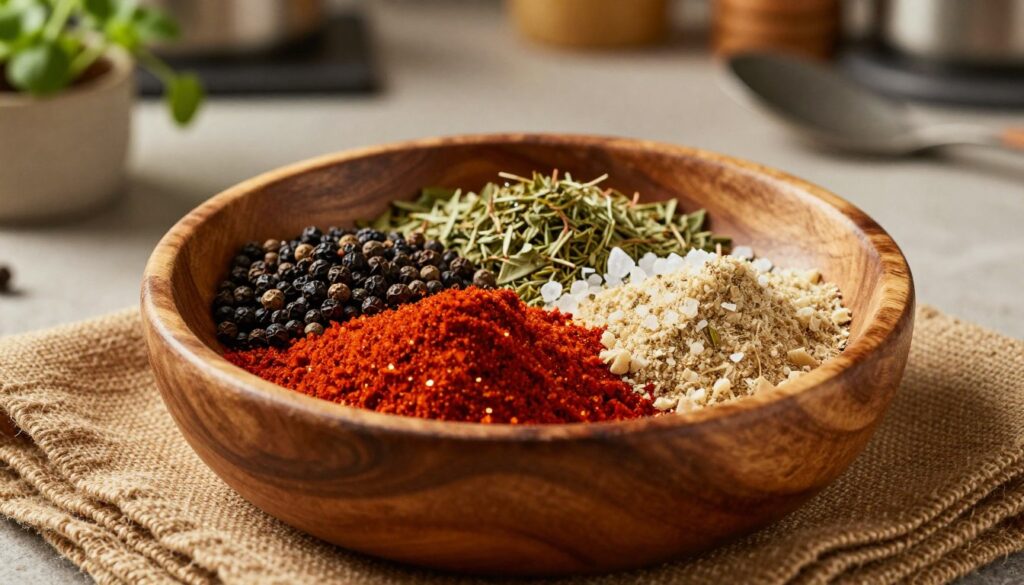
If your chili powder already has noticeable heat, start with less cayenne so the blend stays balanced. Homemade Chili Seasoning should taste warm and aromatic on its own, not aggressively spicy. If you want a smoother finish, whisk the seasoning into a small amount of broth before adding it to a pot.
How to Store and Use Your Homemade Chili Seasoning Mix
Homemade Chili Seasoning stays more fragrant when you protect it from moisture, heat, and light. Good storage also prevents clumps, which makes measuring harder and can cause uneven seasoning in a dish. The tips below help you keep the jar reliable and ready.
Best Storage Practices for Maximum Freshness
Storing your chili seasoning mix right is key to keeping its aroma strong. Use an airtight jar, close it immediately after measuring, and keep it in a cool cabinet away from the stove. If you live in a humid area, avoid sprinkling directly over steam to keep Homemade Chili Seasoning dry.
Most dried spices keep their best flavor for many months, but they don’t stay equally strong forever. If your Homemade Chili Seasoning starts tasting weak, the fix is usually a fresh batch rather than adding more and more. Watch for these signs:
When you add the blend to chili, give it time to hydrate and bloom so the spices taste rounded instead of raw. If you can, stir the seasoning into sautéed onions or a small splash of oil before adding liquids. That quick step helps Homemade Chili Seasoning smell stronger in the finished pot.
Creative Ways to Use Chili Seasoning Beyond Chili
Homemade Chili Seasoning works anywhere you want savory warmth without needing a long ingredient list. Start with a light sprinkle, taste, then add more as needed. Here are easy places to use it:
Taco seasoning and chili seasoning overlap, but they’re not identical. Chili blends usually lean heavier on chili powder, while taco-style blends often feature more cumin and oregano. If you’re using Homemade Chili Seasoning in tacos, start modestly and finish with something bright like lime juice, chopped onion, or cilantro so the spices don’t taste heavy.
Conclusion
Homemade Chili Seasoning is a simple way to keep your spice blends consistent and adjustable. You can control heat, manage salt in the dish, and keep the ingredient list straightforward. Once you find the balance you like, it becomes an easy staple to reach for.
If the first batch tastes too mild or too strong, adjust one variable at a time and label the jar with the date. Fresh spices and good storage do more for flavor than adding extra amounts. Keep a small jar of Homemade Chili Seasoning near your daily spices so it actually gets used.
Try this Homemade Chili Seasoning with our beef ribs recipe, chicken tenders, or shredded chicken when you want a simple, repeatable flavor boost.