

Pink Salt Recipe for Weight Loss: Easy Guide
By Captain Cooking

If you searched for a Pink Salt Recipe, you’ve probably seen viral claims that a salted morning drink can “boost metabolism” or “melt fat.” Most versions mix Himalayan pink salt with warm water, sometimes with lemon or honey.
Here’s the important part: popularity isn’t proof. Salt water can support hydration habits, but it isn’t a weight-loss shortcut and it can raise sodium intake fast.
In this guide, you’ll learn what the trend really is, what science supports (and what it doesn’t), how to use a Pink Salt Recipe conservatively, and which safety points matter most—especially if you have blood pressure, kidney, or heart concerns.
Key Takeaways
What Is the Pink Salt Weight Loss Trick and Does It Really Work?
The “trick” is usually a Pink Salt Recipe taken in the morning: warm water with a small amount of pink salt, sometimes with lemon. The promise is fast weight loss, but the drink itself doesn’t create fat loss on its own.
Understanding the Viral Pink Salt Trend
Most versions use warm water and Himalayan pink salt. Optional add-ins include lemon, ginger, or a small amount of honey for taste. People usually drink it first thing in the morning, before breakfast.
It spreads quickly because it feels simple and “natural.” A Pink Salt Recipe also fits neatly into short videos, where results are hard to verify and portions aren’t always realistic.
The biggest issue is the promise. A Pink Salt Recipe may help some people drink more water or skip sugary drinks, but salt itself doesn’t “switch on” fat loss or fix digestion problems.
The Science Behind Pink Salt and Weight Loss Claims
A practical way to look at it: fat loss comes from long-term energy balance (how much you eat versus how much you use). A Pink Salt Recipe doesn’t change that math. If someone loses weight while drinking it, the cause is usually a broader routine change.
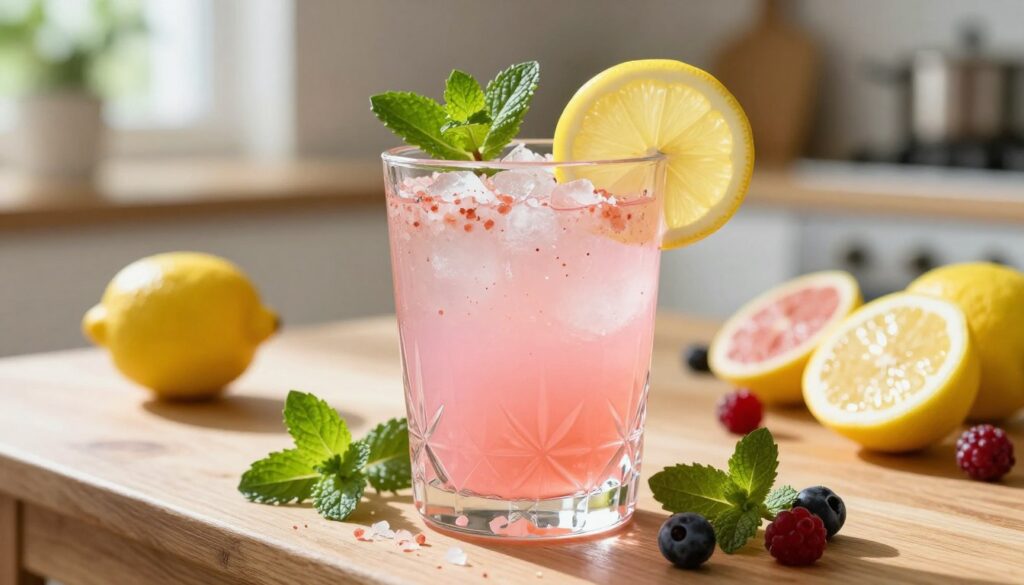
Himalayan pink salt is mostly sodium chloride, similar to other salts used in cooking. The trace minerals people talk about exist, but the amounts you get from a small pinch are not a reliable way to meet mineral needs.
Metabolism depends on many factors: body size, muscle mass, sleep, hormones, activity, and total intake. A Pink Salt Recipe can’t “speed up” metabolism in a meaningful way. If you want steady progress, focus on consistent meals, protein, fiber, and movement.
Pink Salt Recipe Claims vs Scientific Reality
Many viral posts suggest a Pink Salt Recipe can “switch on” digestion, boost metabolism, and even burn fat. In reality, digestion runs all day without needing salted water, and basic habits like hydration, fiber, and balanced meals matter far more. Claims about metabolism are also overstated—there’s no strong evidence that pink salt increases calorie burn, because metabolism is shaped by many variables like muscle mass, activity, sleep, and overall diet.
The same goes for “detox” promises. Your liver and kidneys already handle detoxification, and salt water does not flush toxins from the body in any proven way. When it comes to fat loss, the key factor is a sustained calorie deficit over time; adding salt to water doesn’t create that deficit. Finally, the idea that pink salt reduces sugar cravings is unproven—drinking water may support appetite signals, but salt isn’t the driver behind craving control.
Why People Think It Works: Separating Fact from Fiction
Some people feel better after starting a Pink Salt Recipe routine. That doesn’t automatically mean the salt caused weight loss. It often means other inputs changed at the same time.
Replacement effect: If a Pink Salt Recipe replaces soda, sweet coffee drinks, or juices, you may cut daily calories without trying. The “result” comes from what you stopped drinking, not what you added.
Hydration timing: Drinking water early can reduce thirst confusion and help appetite cues feel clearer. If your meals get more consistent, you may snack less. That’s a routine win, not a “salt effect.”
Routine and habits: A morning ritual can lead to better choices later—like planning lunch, adding protein, or preparing snacks at home. If you want practical ideas, simple add-ons like Homemade Applesauce or a quick Pickled Red Onion Recipe can make meals more satisfying without relying on trendy drinks.
The real concern: Extra sodium can increase fluid retention, especially if the rest of your diet is already high in salt. In that case, a Pink Salt Recipe may make you feel puffier, not “leaner,” even if calories stay the same.
“The amount of electrolytes in pink salt is very small. It is not a cure-all. It will not fix electrolyte imbalances or chronic fatigue.”
In small amounts, a Pink Salt Recipe is usually just flavored water with added sodium. If it helps you build a consistent morning routine, that can be useful. Just don’t expect it to replace evidence-based nutrition and activity habits.
Pink Salt Drink Recipe (Simple Method)
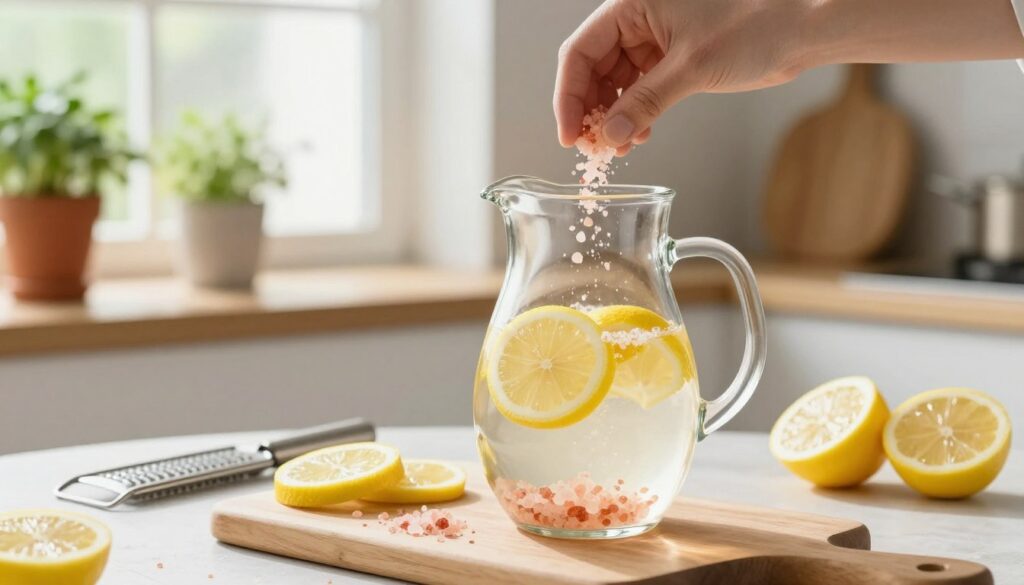
A Pink Salt Recipe is straightforward, but the details matter. Use a small amount of salt, mix until fully dissolved, and keep the drink gentle on your stomach. Think of it as a morning hydration drink—not a “cleanse.”
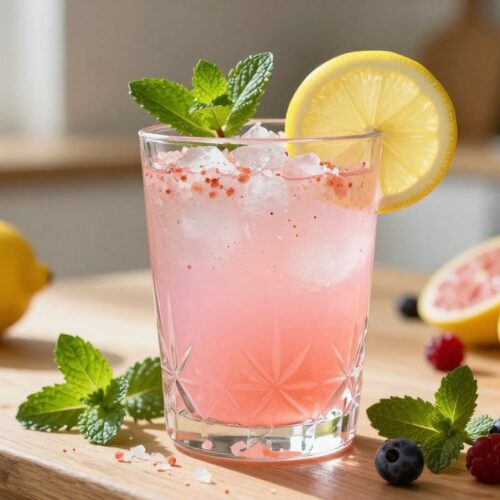
Pink Salt Drink for Weight Loss
Ingredients
Main Ingredients
- 1 glass 12–16 oz warm or room temperature water
- 1/8 teaspoon Himalayan pink salt fine
- 1 –2 teaspoons fresh lemon juice optional
Optional Add-ins
- 1 teaspoon raw honey or maple syrup
- 1 thin slice fresh ginger
- 1 teaspoon apple cider vinegar
Instructions
- Pour 12–16 oz of warm or room temperature water into a glass.
- Add fresh lemon juice if using.
- Add 1/8 teaspoon of Himalayan pink salt.
- Stir well until the salt dissolves completely.
- Drink slowly over 10–20 minutes on an empty stomach.
Notes
- This drink is not a proven weight loss method
- Limit salt intake to avoid excess sodium consumption
- Do not exceed 1/8 teaspoon of salt per serving
- Consult your doctor if you have high blood pressure, kidney disease, or follow a low-sodium diet
If you’re using a Pink Salt Recipe daily, keep the serving small and stay aware of the salt you eat from packaged foods. The benefit you’re aiming for is consistency with hydration and breakfast planning.
The sole water method is different because it uses a saturated brine. That makes it easy to overdo sodium without realizing it. If you choose this route, measure carefully and consider using it occasionally instead of daily.
Pink Salt Recipe Sodium Breakdown and Daily Limits
When preparing a Pink Salt Recipe, even small amounts can add up in terms of sodium intake. A tiny pinch (about 1/16 teaspoon) contains roughly 144 mg of sodium, which is already about 6% of the recommended daily limit.
Increasing the amount to 1/8 teaspoon provides around 288 mg, equal to 13% of the daily limit. If you use 1/4 teaspoon, you’re consuming about 575 mg of sodium, which represents 25% of the daily maximum in just one drink.
Because the general daily sodium limit is 2,300 mg (and ideally closer to 1,500 mg for many adults), it’s important to measure carefully. A Pink Salt Recipe may seem harmless, but sodium intake should always be considered within your total daily consumption.
Sodium awareness matters. Many adults already get more sodium than recommended, mainly from restaurant and packaged foods. If you add a Pink Salt Recipe on top of that, your daily total can rise quickly—even if your drink tastes mild.
Important disclaimer: This information is not medical advice. If you have high blood pressure, kidney disease, heart conditions, or follow a low-sodium diet prescribed by your doctor, consult your healthcare provider before trying any Pink Salt Recipe or salted beverage.
Health Risks and Safety Considerations of the Pink Salt Drink
A Pink Salt Recipe looks harmless, but the risk comes from repeated sodium “extras.” A small pinch is usually fine for many people. Larger amounts—or daily use on top of a salty diet—can become a problem.
If you’re unsure whether a Pink Salt Recipe fits your needs, the safest move is to start with plain water and improve meals first. That approach removes the sodium question entirely while keeping the habit benefit.
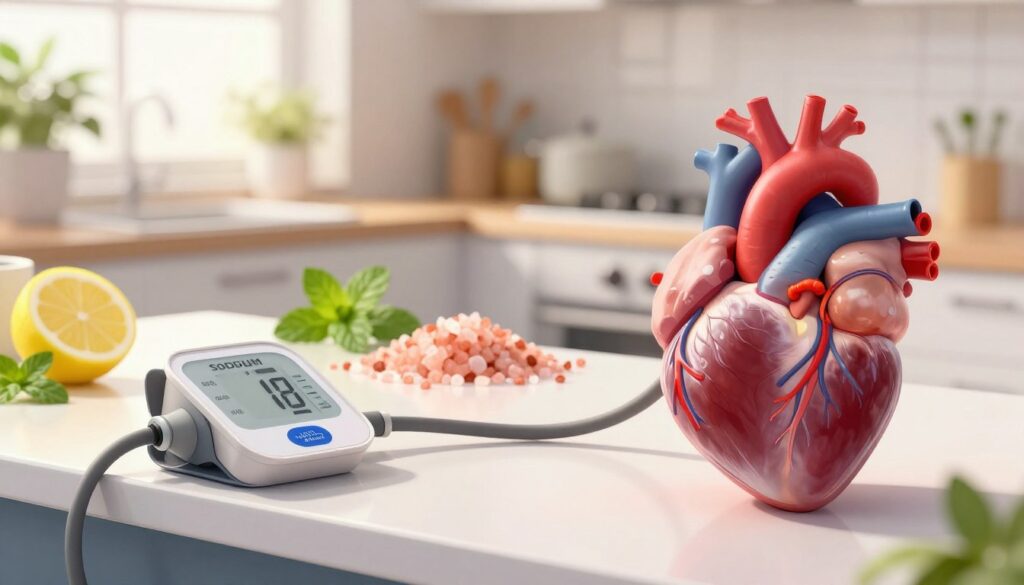
Who Should Avoid Pink Salt Water
If you have high blood pressure, added sodium can push readings higher. For many people in this group, a Pink Salt Recipe is not worth the risk without medical guidance.
People with kidney disease should be especially cautious. Kidneys help manage sodium and fluid balance, so extra salt can create complications more easily.
You should also avoid it if you have:
Even if you feel healthy, look at your full day. If lunch, snacks, and dinner are already salty, adding a Pink Salt Recipe can push you over a reasonable range without you noticing.
Understanding Sodium Intake and Daily Limits
Most sodium advice is about totals, not single foods. The American Heart Association encourages keeping sodium within a reasonable daily range (and many adults benefit from lower targets). You can review their guidance here: American Heart Association sodium recommendations.
Use the table above as a reality check. Even “small” amounts can represent a noticeable slice of your day, especially if you repeat a Pink Salt Recipe daily.
Also remember: “electrolytes” are a balance. If you’re worried about electrolytes, food sources of potassium and magnesium (fruit, dairy, legumes, leafy greens) are more reliable than adding extra salt to water.
If you add lemon or vinegar for taste, protect your teeth. Sip rather than swish, and rinse with plain water afterward. If you notice sensitivity, reduce the acidity or stop the add-ins and keep the Pink Salt Recipe simple.
One more detail: pink salt is typically not iodized. Iodine supports thyroid function, and many people get it from iodized table salt or specific foods. If you switch salts often, make sure your overall diet still covers iodine needs.
“Your kidneys work overtime when sodium intake stays consistently high. This is especially dangerous for anyone with pre-existing kidney disease or other health conditions that affect kidney function.”
If you still want to try a Pink Salt Recipe, keep it minimal and track how you feel for a week. If you notice swelling, headaches, or higher blood pressure readings, stop and speak with a healthcare professional.
Final Thoughts
The Pink Salt Recipe trend promises fast results, but the drink itself isn’t a fat-loss tool. In small amounts, it’s mostly water with added sodium. The biggest value is the routine—if it helps you hydrate and plan meals more consistently.
Pink salt contains trace minerals, but they’re not a dependable source at typical drink amounts. If you see quick “loss,” it may be water fluctuation or changes in what you eat and drink during the day.
For progress that lasts, focus on meals you can repeat, portion awareness, and enough protein. For example, simple options like this Shredded Chicken Recipe can support balanced eating without relying on a Pink Salt Recipe to do the heavy lifting.
Aim for regular activity you can sustain, plus basic strength training each week. Sleep, stress management, and a consistent meal schedule often make appetite easier to manage than any drink trend.
If you feel stuck, professional guidance can help you choose safe options for your body and medical history. A Pink Salt Recipe can be a habit cue, but it shouldn’t replace individualized advice when health conditions are involved.
Use the drink if you enjoy it and it fits your sodium goals. Otherwise, plain water is the simpler choice. The best “secret” is consistency with meals, movement, and recovery—then let trends stay optional.