

Easy 3 Ingredient BBQ Sauce Recipe (Ready in 5 Minutes at Home)
By Captain Cooking
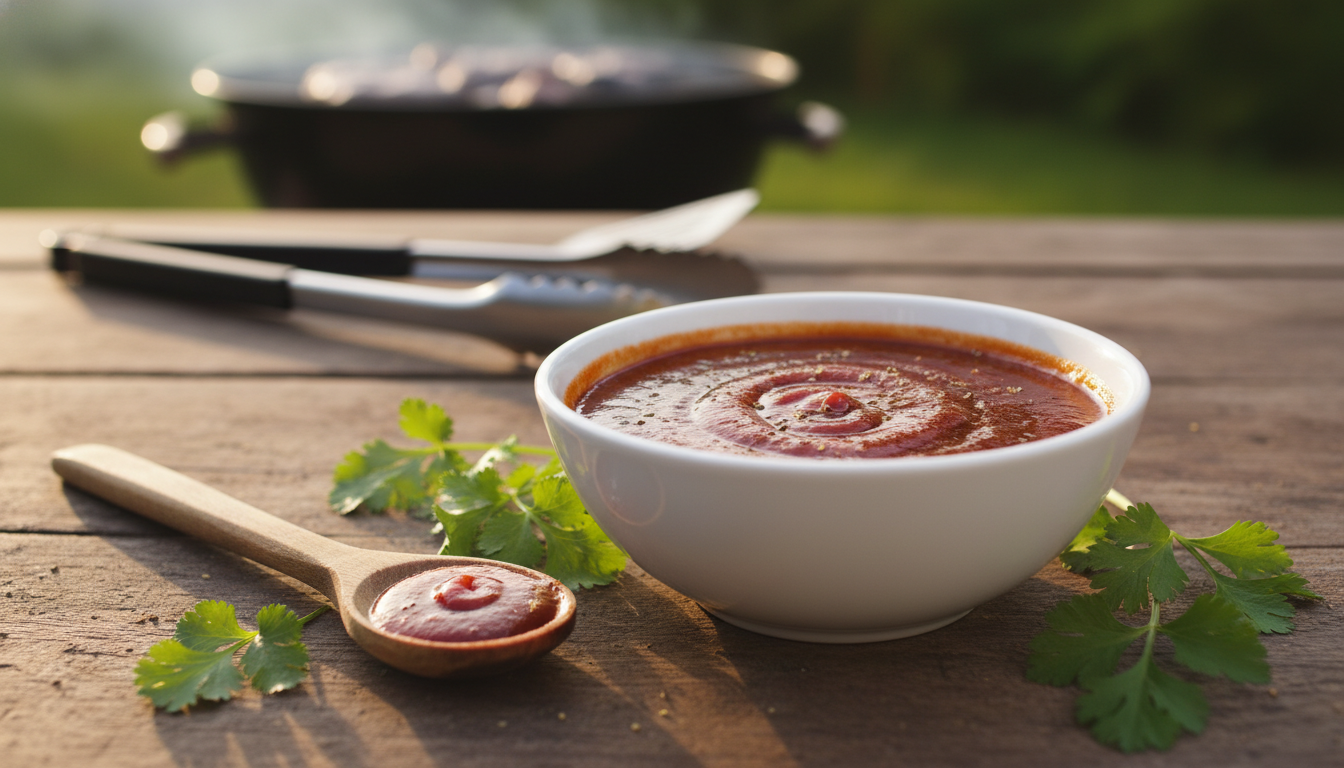
If you want a fast sauce that tastes intentional, this 3 Ingredient BBQ Sauce is built for that. It mixes pantry staples into a sweet-tang balance that works as a dip, glaze, or quick finishing sauce without needing a long ingredient list. You control the flavor by adjusting the sweet-and-acid ratio, so it can lean smoky, sharper, or more mellow depending on what you’re cooking.
Try it on oven-baked ribs like our tender beef ribs, or brush it onto grilled chicken right before serving.
Key Takeaways
What Makes This 3 Ingredient BBQ Sauce Special
A short ingredient list only works when each item has a job. Ketchup brings tomato body plus seasoning, brown sugar adds round sweetness and helps the sauce cling, and apple cider vinegar sharpens the finish so the sauce doesn’t taste flat. Because the base is already balanced, small changes make a noticeable difference, which is what you want from a quick homemade sauce.
You can keep it mild and smooth, or push it toward a stronger bite by adjusting the sweet-to-acid ratio and simmering to your preferred thickness.
Benefits of Homemade BBQ Sauce vs Store-Bought
Making your own BBQ sauce gives you control that bottled options can’t guarantee. Here’s what that changes in real cooking:
If you’ve had sauces that taste “one-note,” this is the fix: build the base, then fine-tune sweetness, tang, and thickness until it matches what you’re cooking.
How to Make BBQ Sauce in Just 5 Minutes
The method is simple: combine the base, warm it gently, and taste with intention. Heating helps the sugar dissolve evenly and gives the sauce a smoother finish, while a short simmer lets excess water cook off so the texture becomes more cohesive. If you prefer a thinner sauce for dipping, keep the heat lower and stop once everything is fully blended. If you want a thicker glaze, keep it at a gentle simmer a little longer and stir so it doesn’t scorch on the bottom.
Gathering Your Ingredients and Equipment
Use a small saucepan so the sauce heats evenly, and choose a whisk (or a sturdy spoon) to prevent sugar from settling. A silicone spatula is useful for scraping the corners where thicker sauce can hide and over-reduce. If you’re sensitive to sweetness, start with slightly less sugar than you think you need, warm the sauce, then adjust after it’s hot—sweetness reads stronger once it’s fully dissolved.
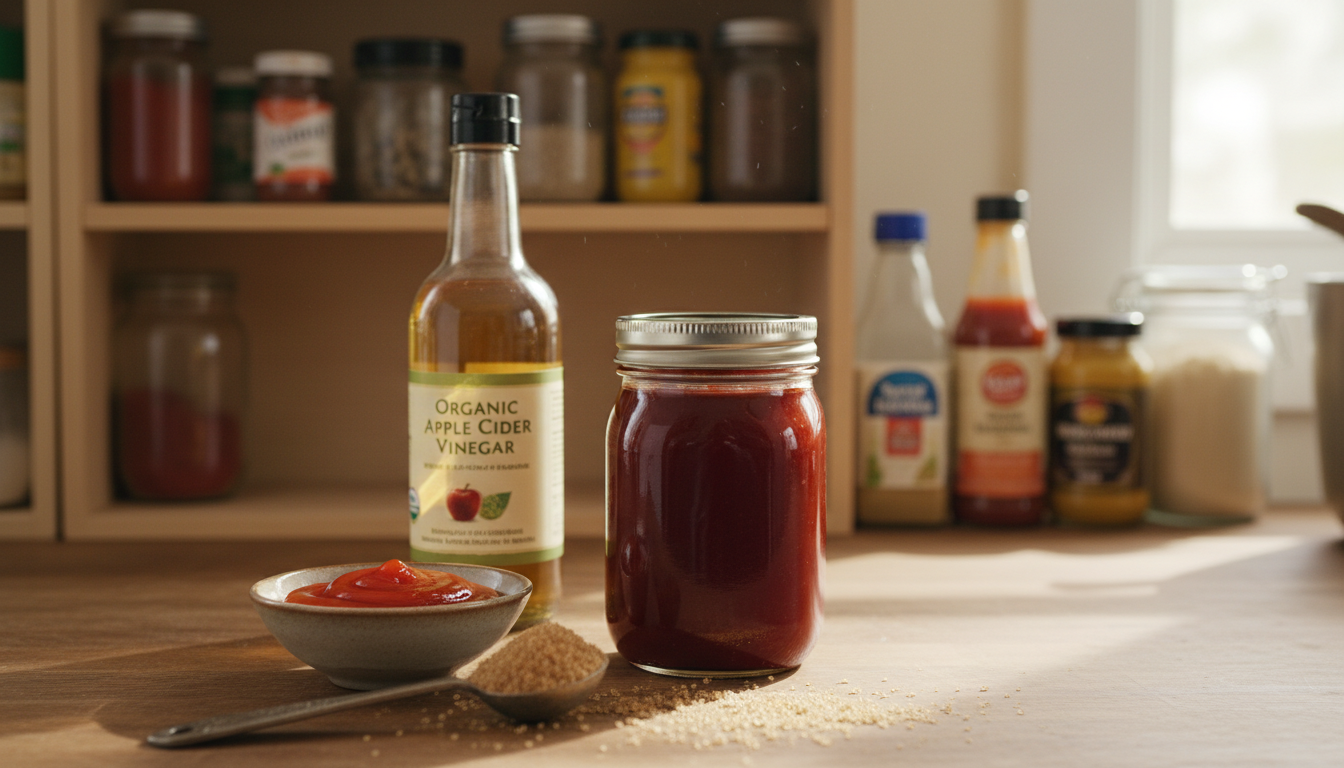
BBQ Sauce Recipe
This sauce works because each ingredient builds a different layer. Ketchup provides tomato body and a seasoned base; brown sugar rounds the edges and gives the sauce a glossy, clingy texture once warmed; apple cider vinegar adds lift so the sweetness stays balanced. If your ketchup is already very sweet, you may prefer a little more vinegar for a cleaner finish. If your vinegar is especially sharp, warming the sauce gently and tasting after it’s hot will help you decide whether it needs a touch more sweetness.
For variations, swap part of the vinegar for Worcestershire sauce to add savory depth, or use a small splash of soy sauce for extra umami. If you like heat, add a pinch of chili flakes or a dash of hot sauce after the sauce is warm, then taste again. Keep changes small—this is a tight formula, so a little goes a long way.
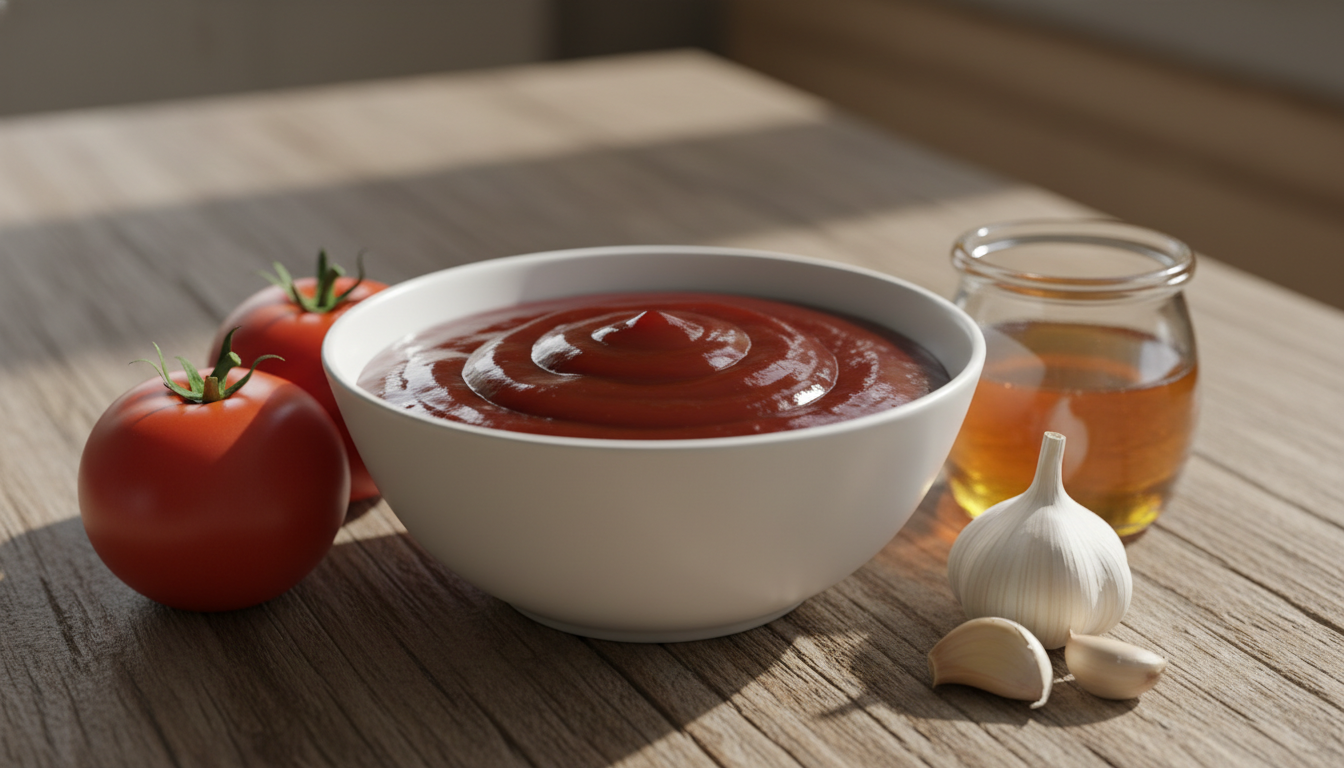
3 Ingredient BBQ Sauce
Ingredients
- 1 cup ketchup
- 1/4 cup brown sugar
- 2 tablespoons apple cider vinegar (optional: replace with Worcestershire sauce or soy sauce for a different flavor)
Instructions
- Add ketchup, brown sugar, and apple cider vinegar to a small saucepan.
- Whisk everything together over medium heat until the sugar is fully dissolved.
- Let the sauce simmer for 3–5 minutes, stirring occasionally, until slightly thickened.
- Taste and adjust flavor: add more brown sugar for sweetness or more vinegar for tanginess.
- Remove from heat, let cool, then transfer to a jar or airtight container.
Notes
- adjust sweetness or tang to taste
- cool before storing
- refrigerate up to 2 weeks
Step-by-Step Mixing Instructions
Combine the ingredients and warm them slowly while whisking so the sugar dissolves without graininess. Keep the heat gentle; fast boiling can reduce too aggressively and make the sauce taste darker than intended. As it warms, watch the bubbles: small, steady bubbles mean you’re thickening in a controlled way. When the texture looks glossy and cohesive, pull it off the heat and let it sit briefly—thickness becomes easier to judge once it cools slightly.
Consistency Adjustments and Flavor Testing
Taste the sauce warm, then taste again after it cools for a minute—sweetness and tang can shift as the texture tightens. If it’s too sweet, add a small splash more vinegar and whisk thoroughly. If it’s too sharp, balance with a small amount of sugar and let it fully dissolve before judging. If the sauce feels too thick for dipping, loosen it with a small splash of water and warm it briefly so it blends smoothly.
Storage Tips and Shelf Life
Let the sauce cool fully before sealing it in a container so condensation doesn’t water it down. Use a clean spoon every time you serve it to keep the flavor stable and avoid introducing crumbs or grease. If the sauce thickens in the fridge, stir first; you can warm a small portion gently to bring back a smoother texture. If you ever notice off smells, bubbling, or visible mold, discard and make a fresh batch.
Ways to Use Your Homemade BBQ Sauce
Use it as a dip for chicken tenders, fries, or roasted vegetables when you want a smooth, pourable texture. For grilling, brush a thin layer near the end so the sugars don’t burn too early; this builds shine and a sticky coating. For oven cooking, add it late as a finishing glaze, then broil briefly to set the surface. If you’re making sandwiches, warm a spoonful and toss it with shredded chicken so it coats evenly without pooling at the bottom of the bun.
Recipes to Use This BBQ Sauce With
This sauce is flexible, so it’s easy to match it with dishes that like a sweet-tang finish or a quick glaze:
- Beef Ribs – brush it on near the end for a glossy finish
- Chicken Tenders – keep it slightly thinner for dipping
- Shredded Chicken – warm the sauce first, then toss for even coating
- Roasted Cornish Hen – use it as a light finishing brush instead of a heavy coat
- Chicken Fried Steak – serve a small bowl on the side for dipping
Quick troubleshooting notes: if your sauce tastes too sharp, warm it gently and re-taste after it sits for a minute—acid can feel stronger when the sauce is thin. If it tastes overly sweet, add vinegar in tiny amounts and whisk well. If it’s too thick, loosen with a small splash of water and warm briefly so it turns smooth again. If it looks grainy, the sugar likely didn’t fully dissolve—keep the heat low and whisk until the texture turns glossy. This is also a good place to naturally include your focus phrase again: 3 Ingredient BBQ Sauce can be adjusted easily once you understand that sweetness, acidity, and thickness are the three control points.
Final Thoughts
This recipe works because it’s predictable: sweet, tang, and tomato body are all present, and you can adjust one without breaking the whole sauce. Once you’ve made it once, you’ll know what direction you like—sharper for ribs, sweeter for burgers, or slightly thinner for dipping. Keep the batch small, taste while it’s warm, and make tiny changes until it matches the food you’re serving.
When you control the sauce, you control the final taste of the dish—without relying on a bottle that may run too sweet or too smoky for what you’re cooking.
If you’re curious about how barbecue sauce styles vary across regions, you can explore the basics here: BBQ sauce.
From there, keep your own version consistent: write down the small tweaks you liked (a touch more vinegar, slightly thicker texture, or a hint of heat) so the next batch tastes exactly how you want.