

Perfectly Crispy Chicken Tenders Recipe in 20 Minutes
By Captain Cooking
If you want a Chicken Tenders Recipe that stays crisp after the first bite, the method matters more than “secret” ingredients. The goal is simple: dry the surface, build an even coating, then cook with steady heat so the crust sets before the chicken overcooks.
This guide focuses on technique you can repeat. You’ll learn how to prep the chicken for better adhesion, how to run a clean breading station, and how to pick the cooking method that matches your kitchen and batch size.
Whether you’re using an air fryer, oven, or skillet, the same rules apply: keep the coating dry, avoid overcrowding, and let the tenders rest briefly on a rack so they stay crisp. Follow that, and this Chicken Tenders Recipe becomes reliable—not random.
Key Takeaways
Why Homemade Chicken Tenders Beat Store-Bought Every Time
Homemade tenders give you control over the ingredient list and the texture. Frozen tenders often rely on stabilizers and heavy pre-seasoning, which can make the coating taste flat and the chicken dry out faster. When you make a Chicken Tenders Recipe from scratch, you decide how much salt, spice, and oil you actually want.
Fresh chicken also cooks more predictably. If frozen tenders thaw unevenly, the outside can over-brown while the center lags behind, which leads to dryness. Starting with fresh strips (or evenly thawed chicken) makes timing easier no matter which method you use.
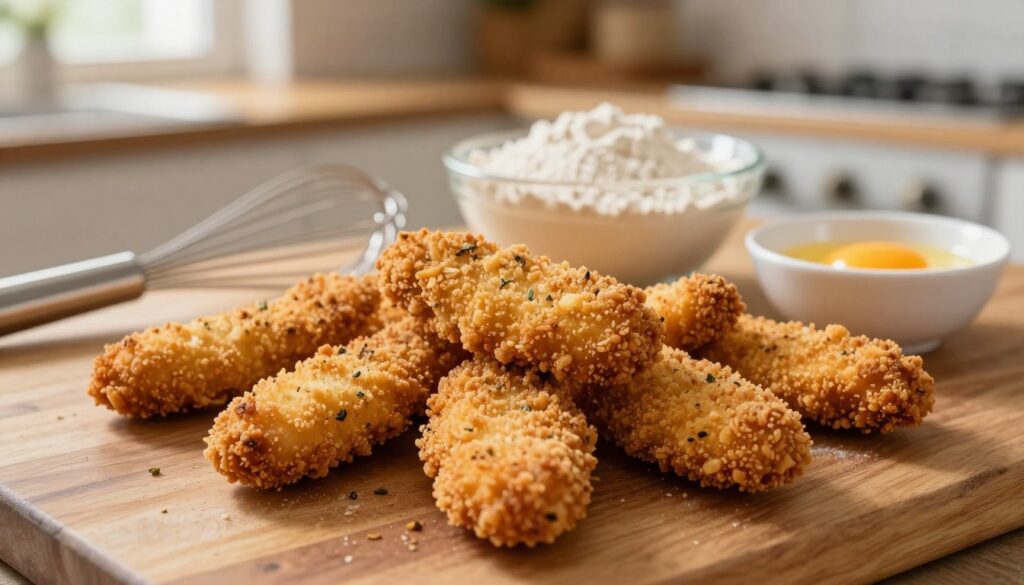
It’s also a cost win when you buy chicken in larger packs and portion it yourself. You’re paying for chicken, not packaging and pre-breading. If you already cook basics like this shredded chicken recipe, this Chicken Tenders Recipe fits the same “simple prep, better results” approach.
Homemade tenders offer more control. You can :
Freshly cooked tenders stay crisp because the coating is still dry and hot. To keep that crunch, transfer cooked pieces to a wire rack (not a plate) so steam can escape. That one change improves nearly every Chicken Tenders Recipe, even if you’re cooking in batches.
And because you control the process, you can troubleshoot on the fly. If the coating looks pale, you increase surface oil or heat slightly; if it’s browning too fast, you reduce heat and finish gently. That kind of control is the difference between “sometimes good” and a repeatable Chicken Tenders Recipe.
Chicken Tenders Recipe
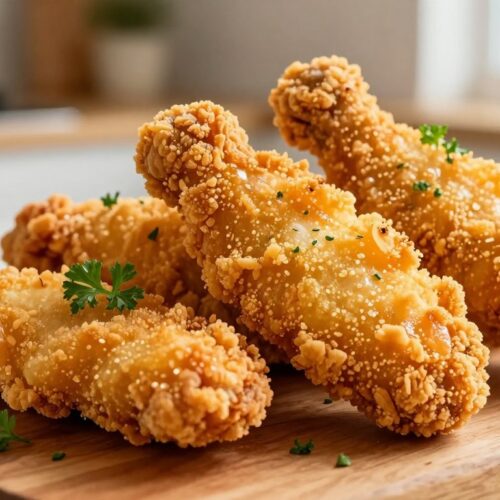
A dependable Chicken Tenders Recipe comes down to three parts: chicken prep, coating strategy, and heat management. Pat the chicken dry first so the coating bonds instead of sliding. Then keep your breading station organized so your hands stay cleaner and your coating stays dry.
The coating sets when moisture turns to steam and escapes without getting trapped. That’s why spacing matters, and why a short rest on a rack keeps the crust crisp. Air fryer, oven, and pan methods all work for this Chicken Tenders Recipe—your job is to match the method to your equipment and batch size.
Chicken Tenders
Ingredients
- 2 pounds boneless skinless chicken breasts or chicken tenderloins
- 1 cup all-purpose flour
- 2 large eggs
- 1 tablespoon water
- 1 cup panko breadcrumbs
- 1 teaspoon garlic powder
- 1 teaspoon paprika
- Salt and black pepper to taste for both flour and breadcrumbs
- Cooking spray or oil for cooking
Instructions
Step 1: Prepare the Chicken
- Pat chicken dry with paper towels. If using chicken breasts, cut into strips or pound to about ½ inch thickness for even cooking.
Step 2: Set Up the Breading Station
- Prepare 3 bowls in an assembly line:
- Bowl 1: flour + salt + pepper
- Bowl 2: eggs + water (whisked)
- Bowl 3: panko breadcrumbs + garlic powder + paprika + salt + pepper
Step 3: Coat the Chicken
- Dip each chicken piece into flour, then egg mixture, then breadcrumb mixture. Press gently so coating sticks well.
Notes
- Panko breadcrumbs give the crispiest texture
- Do not overcrowd during cooking
- Internal temperature should reach 165°F (75°C)
- Let chicken rest 2–3 minutes before serving
Cooking Methods: Air Fryer vs. Oven vs. Pan-Frying
Air Fryer: 400°F for 10–12 minutes — best for quick meals and lighter cooking; gives excellent crispiness with minimal oil.
Oven Baked: 425°F for 15–18 minutes — best for cooking larger batches; gets good crispiness with cooking spray.
Pan Fried: 350°F for 6–8 minutes per side — best for classic stovetop results; delivers a superior crust with oil.
This Chicken Tenders Recipe works with three common cooking setups. The “best” method is the one that lets you keep heat steady and avoid overcrowding. If you can’t keep space between pieces, cook in batches—crowding turns crisp coating into steam-softened coating.
Air fryer tenders brown fast because the air is moving and drying the surface. For better adhesion, lightly oil the basket or mist the coated tenders so dry spots don’t stay pale. If you’re making a big batch, the oven is easier because you can spread pieces across a larger tray and keep airflow consistent.
Pan-frying gives the strongest crust because hot oil contacts the coating directly. The tradeoff is temperature control: if the oil runs too hot, the coating darkens before the chicken is cooked through; too cool, and the coating absorbs oil and turns heavy. Use a thermometer if you have one, and keep a rack ready so finished tenders don’t sit in their own steam.
Final Thoughts
If you follow the technique, this Chicken Tenders Recipe stays consistent: dry the chicken, coat evenly, and cook with space so the crust sets. For definition and background on chicken tenders, you can reference the basics, but your results will come from handling and heat control. If you want another useful kitchen staple to pair with weeknight cooking, keep chicken stock on hand for quick soups and sauces.
Serve tenders right away for the crispest bite, or keep batches warm on a rack in a low oven while you finish cooking. For dipping, choose sauces that match the seasoning—ranch, honey mustard, or barbecue sauce all work, but a squeeze of lemon can also sharpen the flavor without adding heaviness. Once you’ve made this Chicken Tenders Recipe once, you can adjust the seasoning mix in small steps and quickly find the version you like best.
If your coating ever falls off, it usually means the chicken was wet, the breading was too thick, or you flipped too early. If they taste bland, season the coating and finish with a small pinch of salt while hot. Fix those two issues and your Chicken Tenders Recipe becomes much more reliable.
Try this Chicken Tenders Recipe and tell us which method you used—air fryer, oven, or pan—and what you changed in the seasoning.